The Science Behind Stem Cell Therapy for Traumatic Brain Injury
Saint Petersburg, United States – February 23, 2026 / Stemedix /
Saint Petersburg, FL – Stemedix provides patients with guidance on regenerative options following a traumatic brain injury (TBI). Stem cell therapy is being studied for its potential effects on cellular signaling, inflammation, and neurological support. By reviewing existing medical records, Stemedix creates tailored therapy plans designed to reflect each patient’s needs. Stem cell treatments are part of ongoing research that tracks changes in motor function, cognitive ability, and overall wellness. While results differ between patients, the structured approach at Stemedix ensures therapy is delivered with oversight and personalized attention.

Understanding Traumatic Brain Injury
Traumatic brain injury occurs when an external force disrupts normal brain activity. TBI can result from accidents, falls, sports injuries, or penetrating trauma. The severity of the injury influences which brain regions are affected and how symptoms appear.
Biological Effects of TBI
Brain trauma causes damage to neurons and surrounding tissue. The immune system responds to injury by sending cells to the affected area, causing swelling. This inflammation can place stress on nearby neurons, which may interfere with signaling and function.
Neuronal Loss and Disrupted Signaling
Neuron death affects communication between brain cells. Disruption of neuronal pathways can impact balance, memory, coordination, and reaction time. The effect depends on the location and severity of the injury.
Symptom Variability
TBI symptoms differ based on injury location, impact force, and individual biology. Even patients with similar injuries may experience different changes in movement, cognition, or sensory function.
Stem Cell Therapy in Regenerative Medicine
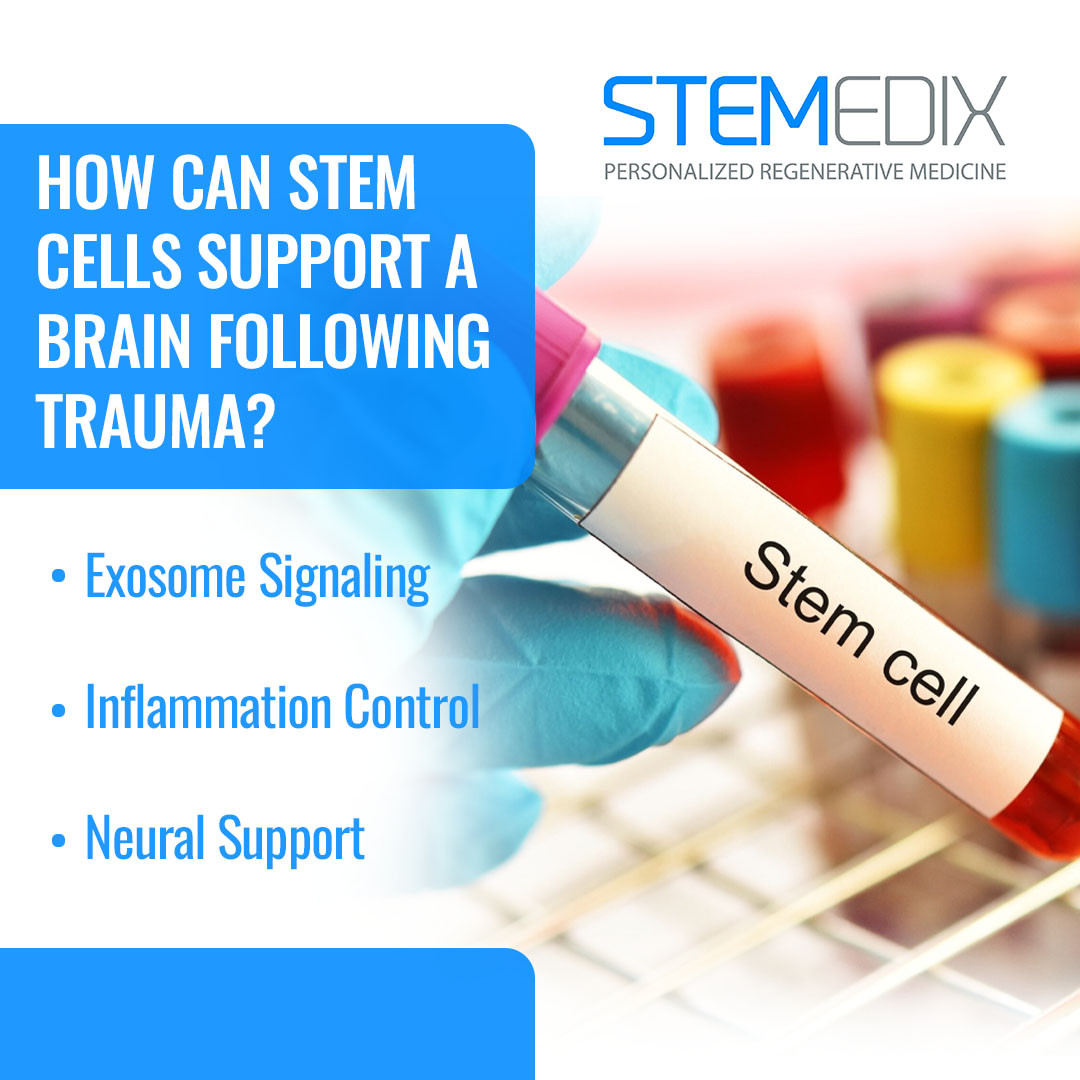
Stem cell therapy uses biological cells to support natural repair processes. Stem cell treatments are studied for their potential influence on inflammation, neuronal signaling, and tissue communication in patients with neurological injuries. Clinical research observes how stem cells interact with damaged tissue and influence local cellular responses.
How Stem Cells Work
Stem cells are capable of becoming specialized cell types. These cells can adapt to their environment, integrate with surrounding tissue, and contribute to local cellular processes. Stem cells release exosomes, small vesicles that carry proteins and signaling molecules to other cells, which assist in cellular communication and immune response regulation.
Exosomes and Inflammation Control
Exosomes transport molecules that can reduce inflammation in injured areas. This may support the survival of neurons and protect surrounding tissue from additional stress. By modulating immune activity, exosomes complement other mechanisms that support tissue recovery.
Research on Stem Cell Treatments for TBI
Studies of stem cell therapy for TBI focus on inflammation, neuronal function, and cellular communication. Researchers track motor control, cognition, energy levels, and sleep quality to evaluate potential biological effects of therapy.
Motor and Cognitive Function
Research monitors coordination, balance, attention, memory, and fatigue. Some patients show improvements in movement and cognitive performance following stem cell therapy, though outcomes differ depending on injury type and patient biology.
Variability in Patient Response
Responses vary based on age, pre-existing conditions, immune function, and prior injuries. Research emphasizes patterns and potential biological effects rather than guaranteeing results for all patients.
Stemedix’s Approach to Stem Cell Therapy
Stemedix, based in Saint Petersburg, FL, reviews medical records before recommending therapy. This includes blood work, imaging, MRI results, and other diagnostic reports. Board-certified providers assess eligibility and create a plan tailored to each patient’s condition.
Patient Support and Coordination
Care Coordinators guide patients throughout therapy, assisting with appointments, travel, and mobility needs. Ground transportation, wheelchairs, and other support equipment are available for in-person visits.
Personalized Treatment Planning
Plans are based on submitted medical records, with therapy tailored to the patient’s specific history and diagnostic information. Recommendations focus on supporting recovery within a structured framework.

Learn More About Stem Cell Therapy
Stemedix provides guidance for patients interested in stem cell therapy in Saint Petersburg, FL. Board-certified providers review existing diagnostics to create individualized therapy plans. To learn more, contact Stemedix at (727) 456-8968 or email yourjourney@stemedix.com.

Contact Information:
Stemedix
Bayfront Medical Plaza 601 7th Street S. Suite 565
Saint Petersburg, FL 33701
United States
Fred Palmer
https://stemedix.com/
Original Source: https://stemedix.com/the-science-behind-stem-cell-therapy-for-traumatic-brain-injury/