
Key Takeaways
- Separate scheduling, billing, and maintenance tools create blind spots that make double-bookings nearly inevitable as a flight school grows.
- A double-booking wastes instructor time, grounds aircraft unnecessarily, and chips away at student trust.
- An integrated, all-in-one platform gives every stakeholder a single source of truth, so real-time availability is always accurate.
- Separate tools can still work at very small scale, but that window is narrow and easy to miss.
- Beyond scheduling, integration quietly unifies billing, compliance records, and maintenance into one seamless workflow.
Flight school operations move fast. A single scheduling gap – one missed update, one out-of-sync calendar – can send two students to the same aircraft at the same time, leave an instructor waiting on the ramp, or push a maintenance-overdue plane back into rotation. The question is not whether disconnected tools create risk. The question is how much risk most operators are quietly absorbing every day.
Even One Scheduling Gap Causes Serious Operational Disruption
A student books a Cessna 172 through the scheduling app. Meanwhile, an instructor logs the same block in a separate calendar for a different lesson. Neither system talks to the other. By the time someone notices, both parties are standing at the flight line expecting the same aircraft.
That scenario plays out more often than most flight school operators would like to admit. Industry observers and aviation operations specialists consistently identify inefficient scheduling and resource management as among the most common operational pain points for aviation operators – problems that frequently trace back to systems that do not communicate. The disruption does not stop at a canceled lesson. Ground crew scrambles, student confidence takes a hit, and staff spend the next hour firefighting instead of running the operation. eAVIO, a platform built specifically for flight schools and aero clubs, addresses this directly: when scheduling, maintenance, and billing live in separate tools, the gaps between them become the operational risk.
Why Separate Tools Create Scheduling Blind Spots
Manual Data Transfers, Maximum Risk
When a booking is made in one tool, that information has to travel – usually by hand – into a billing system, a maintenance log, and an instructor calendar. Every transfer is a chance for something to go wrong. Manual data entry between separate systems is a well-documented cause of errors in flight school operations, including incorrect billing and missed maintenance schedules.
A system failure is not required to cause a problem. A staff member entering data at the end of a long shift, a spreadsheet that was not refreshed, a notification that landed in a spam folder – any of these can quietly create a conflict that nobody catches until it reaches the flight line.
No Single Source of Truth
The deeper issue is structural. When five different tools each hold a piece of the operational picture, no single tool – and no single person – has a complete view. An instructor checks availability in the scheduling app and sees green. The maintenance coordinator knows that aircraft is due for an inspection but logged it in a separate system. The booking goes through. The conflict surfaces on the ramp.
A centralized database that keeps aircraft availability, instructor schedules, and maintenance status synchronized in real time is the mechanism that prevents this exact chain of events.
The Real Cost of a Double-Booking
Wasted Instructor Time and Aircraft Downtime
For salaried instructors, hours represent a fixed cost regardless of whether a lesson flies. For those paid hourly, a canceled flight means lost instruction time and lost revenue on both sides. Either way, a double-booking that leads to a canceled flight amplifies the loss. The aircraft slot is burned, and the school earns nothing from it. Flight academies operating on tight margins feel this acutely – integrated management platforms have been shown to increase aircraft utilization by reducing the operational friction that keeps aircraft on the ground unnecessarily.
Erodes Student Trust and Confidence
Student pilots are investing significant money and personal commitment into their training. Showing up for a scheduled lesson and being turned away – especially more than once – sends a clear message about how the school is run. In a market where word-of-mouth and online reviews drive enrollment, that erosion of confidence carries a real business cost.
When Separate Tools Can Still Work
Separate scheduling and billing tools are not automatically a liability. At very small scale – low booking volume, simple pricing, one person handling all admin – the manual handoffs between tools are manageable. The risk stays contained because the operation is contained.
The problem is that this window is narrow and shrinks fast. Once booking volume increases, pricing rules multiply, or a second instructor joins the team, manual transfers between systems stop saving time and start creating avoidable mistakes. Most operators do not notice the tipping point until after they have already absorbed several costly errors.
How Integrated Systems Prevent the Problem
Real-Time Availability Across Aircraft and Instructors
An integrated platform maintains a single live calendar that reflects aircraft availability, instructor schedules, and active bookings simultaneously. When a student books online, the system immediately marks that aircraft and instructor as unavailable for that block – everywhere, at once. No secondary update is required, no manual sync, no gap between what one system shows and what another believes to be true.
This real-time accuracy is the core mechanism that prevents double-bookings. The concept is straightforward, but it requires all scheduling data to live in one place – something separate tools structurally cannot provide.
Maintenance Locks Out Aircraft Before Conflicts Happen
When maintenance scheduling is integrated with flight scheduling, an aircraft due for inspection is automatically blocked from bookings before anyone has to manually intervene. There is no scenario where a student books a Piper Archer that the maintenance coordinator flagged yesterday in a separate system. The block is already in place.
This kind of preemptive conflict prevention removes the human relay – the email, the sticky note, the phone call – that fragmented systems depend on to pass critical safety information between departments.
Beyond Scheduling: What Integration Actually Unifies
Billing That Follows the Flight Automatically
In a disconnected setup, a completed flight has to be manually entered into a billing system. Someone cross-references the flight log, applies the correct rate, checks for member discounts, and generates an invoice – every time. Each step is an opportunity for a mistake or a delay.
An integrated system links the flight record directly to billing. When the flight closes, the invoice generates automatically, pulling the correct rate, aircraft, and student data without manual intervention. Billing accuracy improves and administrative overhead drops.
Compliance Records Always Audit-Ready
FAA regulations require meticulous record-keeping for pilot training and aircraft maintenance. That includes tracking student progress against approved curricula, instructor endorsements, and aircraft airworthiness records. When those records are scattered across separate systems, pulling them together for an audit or regulatory review becomes a significant manual project.
An integrated platform keeps training records, flight logs, maintenance history, and student progress aligned in one place. This can significantly simplify tracking curriculum adherence and producing audit-ready documentation without a last-minute scramble.
Integrated Platforms Scale; Patchwork Tools Break
Adding a second aircraft, a third instructor, or a new training track stretches a patchwork of tools in ways they were not designed to handle. Each addition requires new manual coordination between systems, new points of failure, and more time spent reconciling data instead of running the operation. The cost of managing multiple software subscriptions – combined with the time spent on data reconciliation – often outweighs the initial savings of using separate, cheaper tools as volume grows.
An integrated platform accommodates growth at the platform level. New aircraft, users, and workflows slot into the same system without requiring new integration work or new manual processes. The operational structure stays intact as the business scales, which is precisely where patchwork setups tend to fail.
One Platform Significantly Reduces Double-Booking Risk
The root cause of most flight school double-bookings is not carelessness – it is architecture. When scheduling, maintenance, and billing live in separate systems, the gaps between them create the conditions for conflict. A unified platform closes those gaps structurally, not just procedurally.
Real-time availability, automatic maintenance blocks, connected billing, and centralized compliance records are not separate features. They are the natural result of keeping all operational data in one place. That is the difference between hoping staff catch a conflict before it reaches the ramp and building a system where the conflict cannot form in the first place.
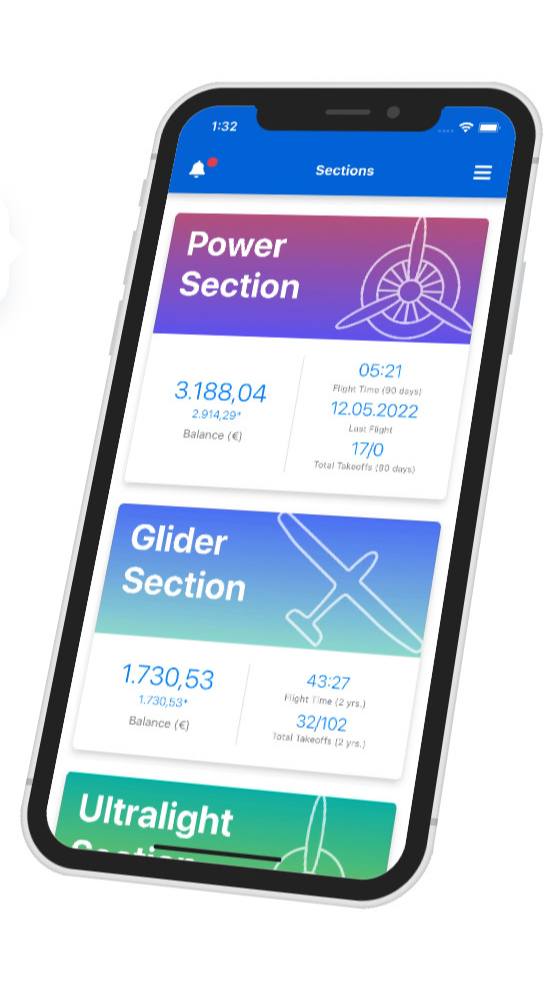
For flight schools looking to move from patchwork to integrated operations, eAVIO offers an all-in-one aviation management platform covering scheduling, training records, maintenance, billing, and real-time aircraft tracking – built specifically for flight schools, aero clubs, and tour operators.
eAvio d.o.o.
info@eavio.aero
Jadranska cesta 28
Maribor
Maribor
2000
Slovenia


