
Key Takeaways
- Construction and demolition waste is one of the largest waste streams in the U.S., generating an estimated 600 million tons annually – dwarfing most other categories of waste.
- Debris removal is a safety and compliance issue, not just a cleanup task – ignoring it can result in injuries, fines, and project delays.
- There are three main disposal options – DIY hauling, dumpster rental, and full-service junk removal – and the right choice depends on project size, timeline, and budget.
- Sorting materials early and planning waste streams before breaking ground are the two highest-impact cost-saving moves on any job site.
- Many construction materials – lumber, metal, concrete, and more – can be recycled or donated, diverting significant waste from landfills and sometimes putting money back into a project.
600 Million Tons – Construction Waste Dwarfs All Other Waste Streams
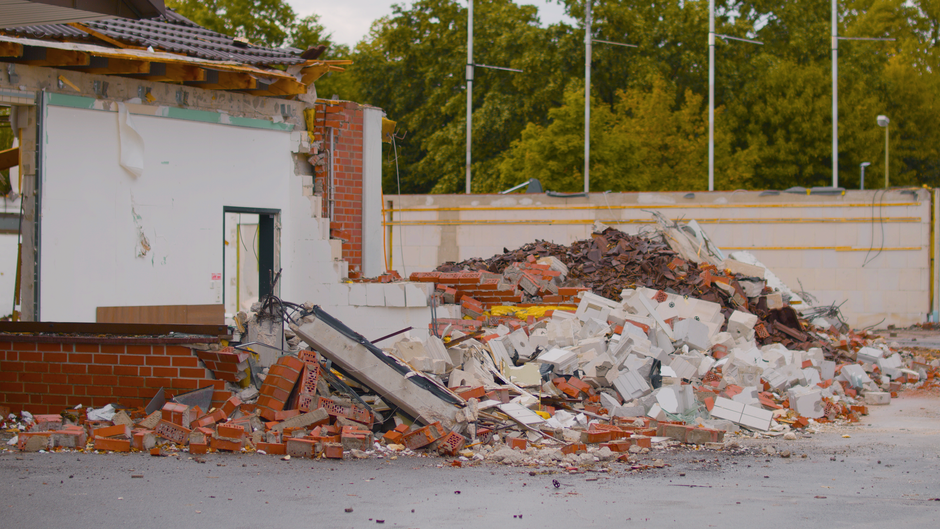
Most people think of household garbage when they picture America’s waste problem. The reality on job sites tells a very different story. According to the U.S. Environmental Protection Agency, construction and demolition (C&D) activities generated approximately 600 million tons of waste in 2018 alone – more than double the amount of municipal solid waste produced that same year.
The numbers get more striking when broken down by project type. Typical building demolition averages around 155 pounds of waste per square foot. Tearing down a modest 2,000-square-foot home can produce nearly 150 tons of debris. New construction is somewhat lighter but still significant – averaging about 3.9 pounds of waste per square foot, which adds up to roughly 4 tons for a standard residential build.
Understanding the sheer volume of C&D waste is the first step toward managing it responsibly.
Why Debris Removal Can’t Be an Afterthought
Debris removal often gets pushed to the bottom of the priority list – something to deal with once the real work is done. That mindset creates compounding problems that affect both safety and the bottom line.
Safety Risks From Accumulated Debris
Piles of unused material and scattered scraps are among the most common causes of job site injuries. Tripping hazards, falling objects, blocked emergency pathways, and exposure to sharp or chemically treated materials all escalate as debris accumulates. A clean site is measurably safer for everyone working on it, and regulators notice the difference.
Regulatory Compliance Consequences
Beyond safety, debris mismanagement can trigger serious regulatory exposure. Many municipalities require permits for on-site dumpsters and mandate that a defined percentage of C&D waste be diverted from landfills. The EPA regulates C&D materials across hazardous and non-hazardous categories under federal guidelines, with some states applying additional classifications for materials with hazardous components. Each category carries different disposal requirements. Failing to comply – even unintentionally – can result in stop-work orders, fines, and legal liability that far exceed what proper waste planning would have cost.
The Real Challenges on the Job Site
Limited Space for Waste Segregation
Most active job sites are already operating at full capacity in terms of space. Finding dedicated areas to separate concrete from lumber, or drywall from metal, becomes genuinely difficult when every square foot is occupied. Without physical separation, recyclable materials get mixed with general waste – which eliminates recycling options and increases disposal costs at the same time.
Identifying and Handling Hazardous Materials
Older buildings frequently contain materials that require specialized handling: asbestos insulation, lead-based paint, chemically treated wood, and legacy adhesives or sealants. Misidentifying these – or simply not knowing they’re present – puts workers at health risk and creates serious legal exposure. Certified professionals are required for proper removal and disposal of hazardous C&D materials, and shortcuts in this area carry real consequences.
Tracking Costs Before They Spiral
Waste disposal costs can surprise even experienced project managers. Landfill tipping fees, hauling charges, fuel, crew labor hours spent on non-productive cleanup, and potential regulatory fines all add up. Without a proactive waste budget built into the project estimate, these expenses tend to surface late – when there’s little room to absorb them.
Your Three Disposal Options, Compared
DIY Hauling
Handling debris removal in-house – loading a personal or crew truck and transporting waste to a municipal landfill, scrap yard, or recycling facility – is the most budget-friendly approach on paper. In practice, the costs are frequently underestimated. Crew hours spent on hauling instead of billable work, fuel and vehicle wear, and the time required to identify compliant disposal sites for different material types all erode the apparent savings. For very small projects, DIY can work. For most contractors, it pulls resources away from higher-value tasks.
Dumpster Rental
Renting a roll-off dumpster container is a strong middle-ground solution for larger projects or multi-day renovations. The dumpster stays on-site for the duration of the job, allowing debris to accumulate in one place, and the rental company handles pickup and disposal on a scheduled basis. One practical note: dumpsters may require a permit in most jurisdictions, and dumpsters placed on public property almost always triggers that requirement. For homeowners, dumpsters sized for residential driveways – around 12 cubic yards – offer enough capacity for full cleanouts and remodels without blocking access.
Full-Service Junk Removal
A full-service junk removal company handles the entire process – loading, hauling, sorting, and proper disposal or recycling. For contractors managing complex or high-volume sites, outsourcing debris removal means the construction crew stays focused on billable work and project completion. For homeowners, it removes the physical burden entirely. The value shifts significantly when heavy concrete or high-volume debris are involved – scenarios where DIY hauling becomes impractical and increases injury risks.
Tips That Cut Costs and Save Time
Plan Your Waste Streams Before Breaking Ground
The single most impactful step is building a waste management plan before the project starts. That means identifying which material types the project will generate, estimating volumes, and pre-arranging disposal logistics – including which materials can be recycled, which require special handling, and which facilities accept what. Projects that implement detailed waste management plans, including on-site sorting and pre-arranged recycling partnerships, consistently achieve significantly higher diversion rates from landfills. Planning ahead reduces costs and keeps disposal logistics from becoming a last-minute scramble.
Sort Materials on Site Early
Designating labeled containers for different material categories – metals, clean lumber, concrete, drywall – from day one keeps recyclables usable and reduces the volume of mixed waste heading to the landfill. Mixed loads cost more to process and are often rejected by recycling facilities entirely. Communicating the sorting system to every crew member is what separates a plan that exists on paper from one that actually works.
Eco-Friendly Debris Removal: More Than Good PR
Sustainable debris management has moved well past being a nice-to-have. The EPA actively encourages diversion of C&D materials from landfills through source reduction, reuse, and recycling – and the industry has responded. The recycling rate for C&D materials in the U.S. reached approximately 75% in 2018, reflecting both regulatory pressure and the real economic upside of recycling over landfilling.
Lumber, Metals, Concrete, and More: What Can Be Recycled or Donated
A broad range of construction materials has viable second-life pathways:
- Concrete and masonry – Crushed and repurposed for road sub-base, fill material, and drainage applications.
- Metals – Steel, copper, and aluminum carry strong scrap value and are widely accepted at metal recycling yards.
- Clean lumber – Untreated wood can be recycled or donated for reuse in other projects.
- Fixtures, cabinetry, and doors – Gently used architectural elements can often be donated to organizations like Habitat for Humanity’s ReStore program, keeping usable materials out of landfills entirely.
- Drywall – Gypsum from drywall can be recycled and reprocessed into new board.
Hire Professionals, Protect Your Bottom Line
Every hour a construction crew spends loading debris is an hour not spent on the work that generates revenue. On large or complex projects, that math becomes decisive quickly. Professional junk removal companies bring equipment, trained labor, and regulatory knowledge that most construction crews don’t have on standby.
The strongest argument for outsourcing debris removal is financial clarity. Fixed removal costs are predictable and can be budgeted. The hidden costs of DIY hauling – construction crew overtime, vehicle wear, permit complications, and potential fines – are not predictable. For contractors and homeowners who want a clean site, a clear budget, and confidence that materials are being handled responsibly, professional debris removal is consistently the most efficient path.
Junk King Reno
+1 775 624 9112
3445 Airway Dr, Suite C
Reno
Nevada
89511
United States


