Local Company Shares Guidance on Preparing Yards for Pacific Northwest Growing Season
Olympia, United States – February 18, 2026 / Premium Landscape Services /
Preparing Olympia Properties for Spring Growth
Olympia area homeowners are beginning to plan spring property preparation as February transitions toward the Pacific Northwest growing season. Premium Landscape Services has published guidance on spring cleanup strategies that address winter debris, lawn recovery needs, and landscape bed conditioning specific to regional climate patterns.
The resource explains how proper timing, systematic debris removal, soil preparation, and strategic pruning work together to position properties for healthy seasonal growth. February and early March planning allows homeowners to schedule services before the spring rush while addressing lingering winter damage that affects both aesthetics and plant health.
Understanding Post Winter Property Conditions
Properties throughout Olympia, Lacey, and Tumwater emerge from winter with accumulated debris, compacted lawns, overgrown beds, and storm damaged branches. Months of heavy rainfall, occasional freezing temperatures, and strong winds leave yards requiring attention before new growth begins.
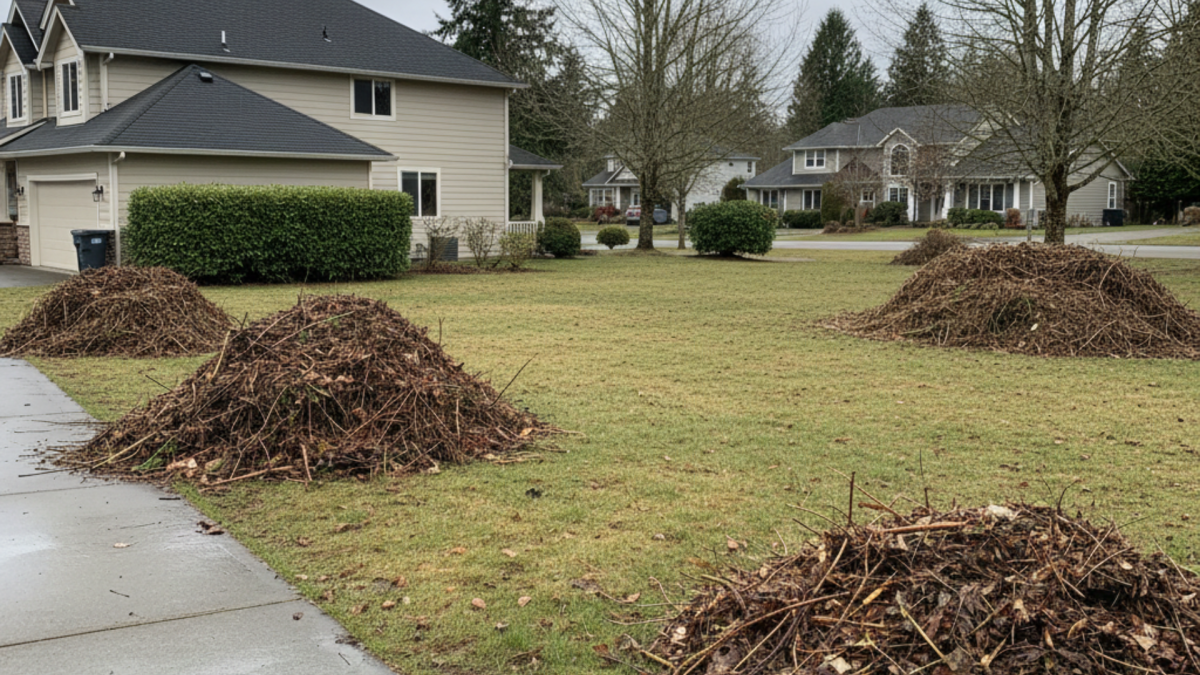
Fallen branches, leaf accumulation in beds and gutters, moss growth in shaded lawn areas, and matted grass from snow or heavy rain create conditions that restrict healthy spring development. Perennials remain dormant under debris layers, while compacted soil prevents adequate oxygen and water penetration to root systems.
Many homeowners underestimate how winter conditions affect spring performance. Debris left in beds can harbor fungal diseases that spread to new growth. Compacted lawns struggle to green up as temperatures rise. Unpruned shrubs direct energy into unproductive growth patterns rather than healthy flowering or foliage development.
The region’s extended wet season means properties often remain too saturated for cleanup work until late February or March. Attempting cleanup on waterlogged lawns causes soil compaction and turf damage. Waiting for appropriate soil conditions produces better long term results than rushing into early work.
Services That Support Seasonal Property Preparation
Spring cleanup services address accumulated winter debris through systematic removal of fallen branches, leaf layers, dead plant material, and storm litter. This process clears beds, walkways, and lawn areas while allowing assessment of winter damage to plants, hardscapes, and drainage systems.
Yard and property cleanups extend beyond basic debris removal to include comprehensive property assessment, identification of areas requiring repair or attention, and preparation for upcoming maintenance schedules. These services often reveal issues not apparent during winter months when properties receive less scrutiny.
Landscape bed maintenance following initial cleanup involves cutting back perennials, removing winter damaged foliage, edging bed lines, and preparing soil for new growth. This work creates clean foundations that make mulching more effective and help homeowners visualize summer appearance while plants remain dormant.
Mulching applied after bed preparation provides multiple benefits including moisture retention, weed suppression, temperature moderation, and aesthetic improvement. Spring mulch application protects emerging plants while establishing clean, finished appearances that last through the growing season.
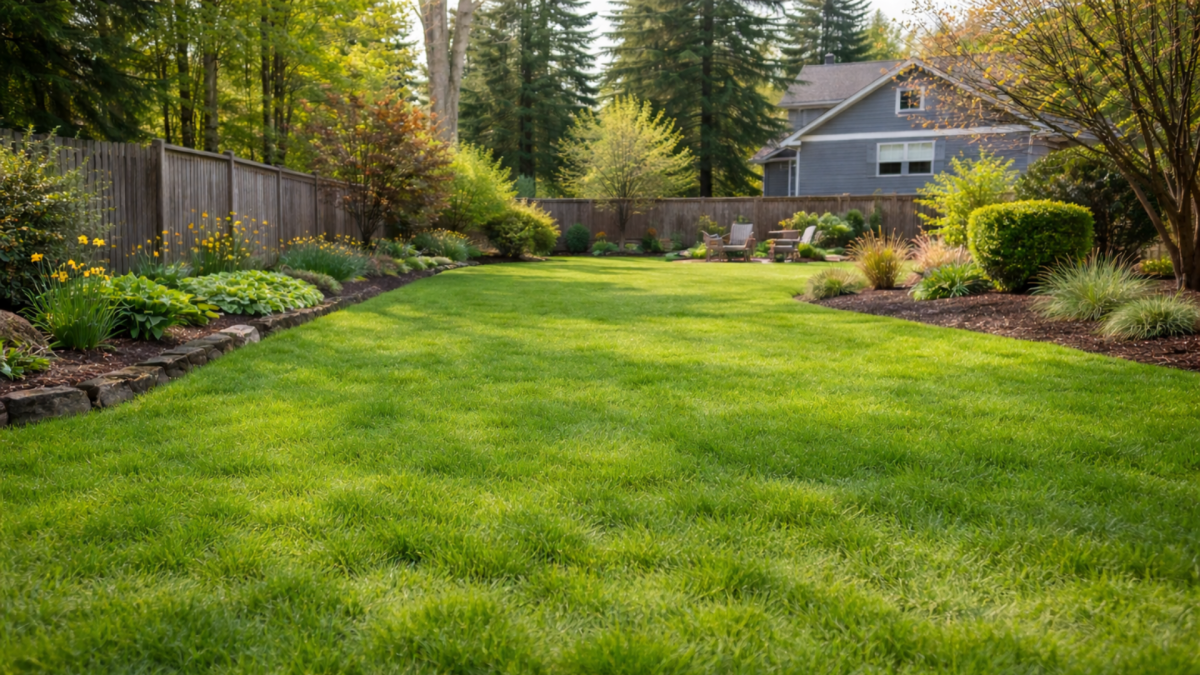
Lawn seeding addresses bare patches, thin areas, and winter damage through strategic overseeding timed with spring soil warming. Pacific Northwest conditions favor certain grass varieties that establish well when seeded in early spring before summer heat arrives.
Core aeration relieves soil compaction caused by winter saturation and foot traffic, creating channels that allow oxygen, water, and nutrients to reach root zones. While fall represents the primary aeration season, spring aeration benefits lawns with severe compaction or poor drainage.
Thatching removes accumulated dead grass layers that prevent water and nutrient penetration. Properties with significant thatch buildup benefit from spring dethatching before active growth begins, though timing must account for grass type and regional weather patterns.
Shrub trimming and pruning performed in late winter or early spring shapes plants before new growth emerges, removes dead or damaged wood, and directs energy toward productive growth. Different species require different timing, with some pruned before flowering and others after.
How Regional Experience Shapes Spring Approaches
Samuel Hill’s horticultural background informs Premium Landscape Services’ approach to spring preparation. Understanding which plants benefit from early pruning versus delayed cutting, how Pacific Northwest soil conditions affect timing decisions, and which grass varieties establish best in regional climates creates more effective seasonal strategies.
The team recognizes that Olympia area springs arrive gradually, with false starts and late cold snaps that can damage plants cut back too aggressively or too early. This leads to conservative timing recommendations that protect plant health over aesthetic preferences. Properties evaluated in late February receive timing guidance specific to their microclimates, sun exposure, and typical seasonal patterns.
Premium Landscape Services works throughout the region where consistent experience with local conditions shapes practical recommendations. The company coordinates cleanup timing with other seasonal services like mulching, seeding, and irrigation system startup to create efficient property preparation rather than requiring multiple separate visits.
Timing Considerations for Pacific Northwest Properties
Homeowners planning spring preparation should balance eagerness to begin with soil readiness and weather stability. Working on saturated soils causes compaction damage that takes seasons to reverse. Pruning during unstable weather periods exposes plants to freeze damage on tender new growth.
Late February through March represents the typical planning window, with actual work beginning as soil conditions allow. Properties in sunnier locations with better drainage often become workable earlier than shaded areas or low spots with poor water movement. Lacey area properties frequently benefit from slightly later timing than Olympia locations due to microclimate differences.
Spring cleanup scheduling fills quickly as temperatures rise and homeowners recognize preparation needs simultaneously. February consultations secure preferred timing before March demand peaks. This approach also allows coordination with landscape maintenance services that support properties throughout the growing season.
Properties planning new plantings, hardscape installations, or other spring projects benefit from cleanup completion first. Clear, prepared spaces allow accurate assessment of existing conditions and available areas for new features. Cleanup also reveals winter damage requiring repair before new installations proceed.
Service Approach and Client Communication
The company views spring preparation as foundation work that influences property performance through the entire growing season. This perspective emphasizes thoroughness over speed, proper timing over early completion, and assessment over assumptions. Cleanup visits often identify issues requiring attention that homeowners didn’t recognize during winter months when yards received minimal use.
Client communication focuses on explaining why certain timing benefits plant health, how different services coordinate for optimal results, and what maintenance patterns support long term property condition. The team provides realistic expectations about what spring work can accomplish, which issues require ongoing attention, and how current decisions affect summer and fall performance.
The local landscape company maintains familiarity with seasonal progression patterns, typical property challenges, and practical considerations that shape successful spring preparation throughout Olympia, Lacey, and Tumwater.
Information Access and Service Coordination
The spring cleanup guidance provides detailed information about timing considerations, service components, and regional factors that affect Pacific Northwest property preparation. Homeowners planning seasonal work can review the material to better understand coordination opportunities and realistic timelines.
Premium Landscape Services accepts consultation requests for properties throughout the area. Evaluations include property walkthroughs, assessment of winter conditions, and discussions of spring goals and summer plans. The company can be reached at 360-401-4677 or through its website at premiumlandscapeservice.com.
The resource addresses debris removal strategies, lawn recovery techniques, bed preparation methods, pruning timing, and service coordination that positions properties for healthy Pacific Northwest growing seasons.

Contact Information:
Premium Landscape Services
1910 4th Ave E PMB- #127, Olympia, WA 98506, United States
Olympia, WA 98506
United States
Contact Premium Landscape Services
(360) 401-4677
https://premiumlandscapeservice.com/


Original Source: https://premiumlandscapeservice.com/media-room/


