Company Addresses Common Post Winter Yard Concerns and Plant Selection Strategies
Magnolia, United States – February 18, 2026 / Outdoor Perfection Landscaping /
Understanding Post Winter Landscape Challenges in Texas
Outdoor Perfection Landscaping recently published educational content addressing common yard concerns Texas homeowners face as winter transitions to spring. The spring landscaping guide covers practical restoration strategies, climate appropriate plant selection, and design improvements that support long term landscape health.
While Texas winters don’t match the severity of northern regions, temperature fluctuations still create stress on residential landscapes. Brown patches in St. Augustine lawns, frost damaged flowerbeds, and exposed drainage problems become apparent as dormancy periods end. Many homeowners struggle to distinguish between normal dormancy and actual plant death, leading to uncertainty about when and how to address visible damage.
February represents an optimal window for landscape assessment and preparation before summer heat arrives. Plants installed during early spring months establish root systems more effectively than those added during peak heat, and nurseries typically maintain fuller inventories before seasonal demand increases.
Why Temperature Swings Create Lasting Landscape Issues
Texas climate patterns challenge both warm season grasses and ornamental plantings through rapid temperature changes. Weeks when temperatures swing from 75 degrees to 35 degrees shock root systems and weaken plant structures. This stress manifests as bare turf patches, thinned growth, and vulnerability to summer conditions.
Reduced winter sunlight slows grass growth and creates naturally thinner coverage. When combined with compacted soil from winter moisture, lawns often appear dull or unhealthy even when dormancy is the primary factor. Homeowners frequently misinterpret these normal seasonal changes as permanent damage requiring complete renovation.
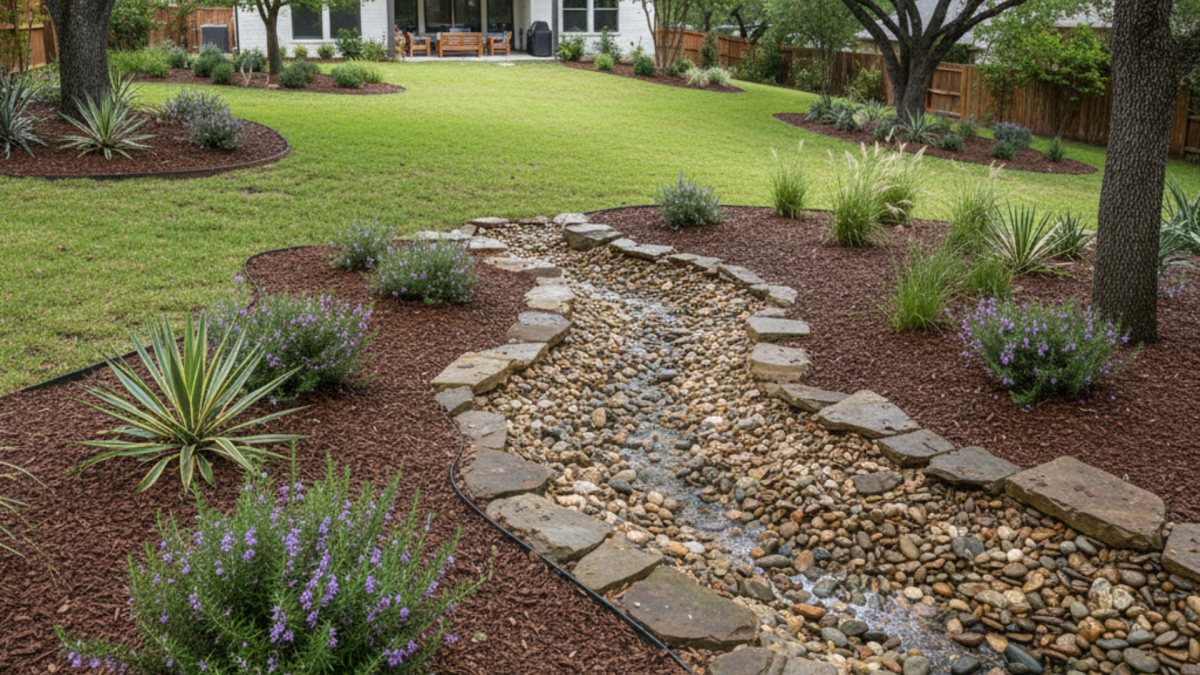
Drainage issues that remain dormant during dry months become obvious problems when winter rains expose low spots, erosion patterns, and grading deficiencies. Water pooling near foundations or in lawn areas indicates underlying soil compaction or structural issues that will worsen under summer irrigation and storm events if left unaddressed.
The distinction between dormant grass and dead turf requires physical assessment rather than visual inspection alone. Brown turf that releases easily when pulled indicates dead plant material needing replacement, while resistant turf suggests dormancy that will resolve with warming temperatures and appropriate moisture levels.
How Landscape Services Address Seasonal Transitions
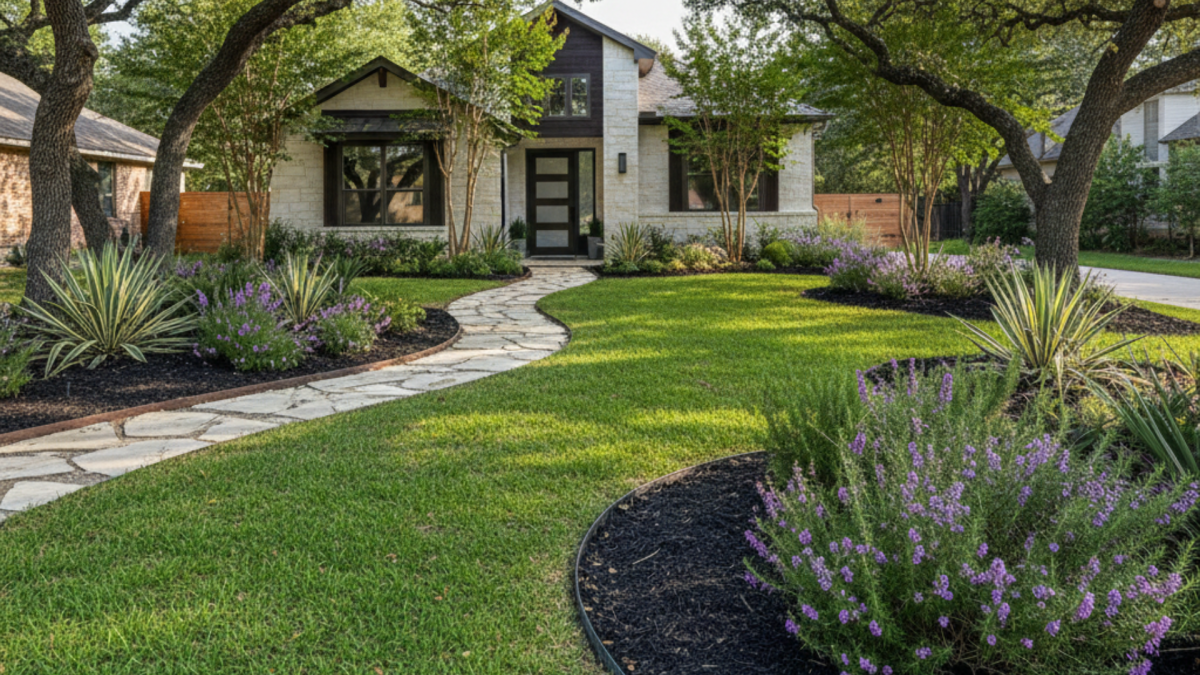
Outdoor Perfection Landscaping provides plantings and softscapes services focused on selecting species adapted to local climate conditions. The company works with homeowners to identify plants matching specific site conditions including sun exposure, soil types, and microclimate variations within individual properties.
Landscape design and installation services account for mature plant sizes, seasonal appearance changes, and maintenance requirements. Design consultations address visual layering techniques, hardscape integration, and long term landscape evolution rather than focusing solely on immediate aesthetic goals.
Paver services including walkways, patios, and driveways provide year round structural elements that complement planted areas. These hardscape features create defined edges between lawn and bed areas while solving functional challenges like slope management and water movement.
Outdoor lighting installations enhance landscape visibility and highlight design features after dark. Pathway lighting, uplighting, and tree lighting extend usable hours for outdoor spaces while adding security and architectural interest to residential properties.
Seating and retaining walls serve dual purposes by creating functional outdoor spaces and addressing elevation changes or soil retention needs. Natural stone installations provide visual anchors that remain attractive regardless of plant dormancy or seasonal changes.
The company’s designs and renderings service allows property owners to visualize proposed changes before installation begins. This planning tool helps homeowners understand spatial relationships, material selections, and phased implementation approaches for larger scale projects.
Selecting Plants That Match Regional Growing Conditions
Zone 8b/9a designation means Texas properties can support species unavailable to northern climates while requiring consideration for occasional hard freezes and consistently hot, humid summers. Native and adapted plants evolved for these specific conditions demonstrate better temperature tolerance and reduced water requirements compared to exotic varieties.
Perennials like autumn sage, black eyed Susans, and turk’s cap establish quickly and provide repeated blooms from spring through fall with minimal supplemental irrigation once root systems develop. These species attract beneficial pollinators while tolerating heat stress that damages less adapted alternatives.
Shrub selections including dwarf yaupon holly, knockout roses, and possumhaw holly offer evergreen structure, disease resistance, and appropriate scale for residential landscapes. These plants handle soil variations common in the region and maintain appearance through seasonal transitions.
Ground covers like Asian jasmine and purple trailing lantana solve specific site challenges including shaded areas where turf struggles and full sun locations requiring low maintenance coverage. Strategic ground cover use reduces irrigation demands and maintenance time while preventing erosion on slopes or under established trees.
Matching plants to site specific conditions requires understanding sun exposure patterns throughout the day, existing soil characteristics, and drainage behavior. The shaded area beneath mature live oaks demands completely different plant selections than full sun beds along driveways or property boundaries. Outdoor Perfection Landscaping evaluates these microclimates during design consultations to ensure appropriate species placement.
Addressing Drainage Before Planting New Landscape Features
Proper water management protects landscape investments and prevents recurring seasonal damage. Properties require grading that directs water away from structures while avoiding low spots where standing water stresses or kills plantings. French drains, catch basins, and strategic grading address problem areas before new plant installations occur.
Core aeration relieves soil compaction in lawn areas and planting beds, improving water infiltration and root penetration. Soil amendments adjust structure and drainage characteristics to match plant requirements rather than forcing inappropriate species into unsuitable conditions.
Homeowners in Magnolia and surrounding areas often encounter clay soil conditions that compact easily and drain slowly. Understanding these regional soil characteristics informs amendment strategies and plant selections that work with existing conditions rather than requiring constant intervention.
Irrigation system design should group plants by water requirements rather than applying uniform coverage across diverse plantings. Zone specific irrigation prevents overwatering drought tolerant species while ensuring moisture dependent plants receive adequate hydration throughout growing seasons.
Customer Focused Approach to Landscape Planning
The company emphasizes thorough site assessment and detailed planning before installation work begins. This approach identifies underlying issues contributing to recurring problems rather than providing temporary cosmetic improvements that fail under seasonal stress.
Consultations address property specific challenges including slope management, privacy concerns, and areas where previous plantings repeatedly failed. Understanding these pain points guides design decisions toward lasting solutions matched to individual property conditions and homeowner maintenance preferences.
Project timelines consider optimal installation periods for different landscape elements. Spring installations allow months of establishment before summer heat arrives, while certain hardscape work proceeds effectively during various seasons. Strategic scheduling improves success rates and reduces stress on newly installed plantings.
The company maintains connections with regional resources about landscape design in Magnolia and practical approaches to common property challenges. This local knowledge base informs plant selections, design strategies, and maintenance recommendations specific to area conditions.
Moving Forward with Spring Landscape Preparation
Texas homeowners benefit from addressing winter damage and planning spring improvements during February before seasonal demand increases. Early preparation provides time for thorough site assessment, material selection, and installation scheduling that accommodates both property needs and optimal timing for plant establishment.
Outdoor Perfection Landscaping serves residential properties throughout Montgomery County and surrounding regions. Property owners interested in discussing specific landscape concerns or exploring design options can contact the company at (936) 301-1158. Additional information about services and project examples appears on the company website.

Contact Information:
Outdoor Perfection Landscaping
27612 FM 2978 Rd
Magnolia, TX 77354
United States
Contact Outdoor Perfection Landscaping
(936) 301-1158
https://outdoorperfectionlandscaping.com/


Original Source: https://outdoorperfectionlandscaping.com/media-room/#/media-room


