Nashville Area Homeowners Learn Why Early Action Prevents Spring Problems
Nashville, United States – February 18, 2026 / Goodin Lawncare /
Middle Tennessee homeowners increasingly recognize that successful spring lawns depend on decisions made weeks before warm weather arrives. Goodin Lawncare recently published comprehensive guidance on February lawn care Tennessee residents should prioritize, addressing common misconceptions about winter lawn dormancy and optimal timing for various preparation tasks. The educational resource responds to frequent questions about when to start spring cleanup, how to handle winter debris, and why early scheduling produces better results than reactive approaches in late March.
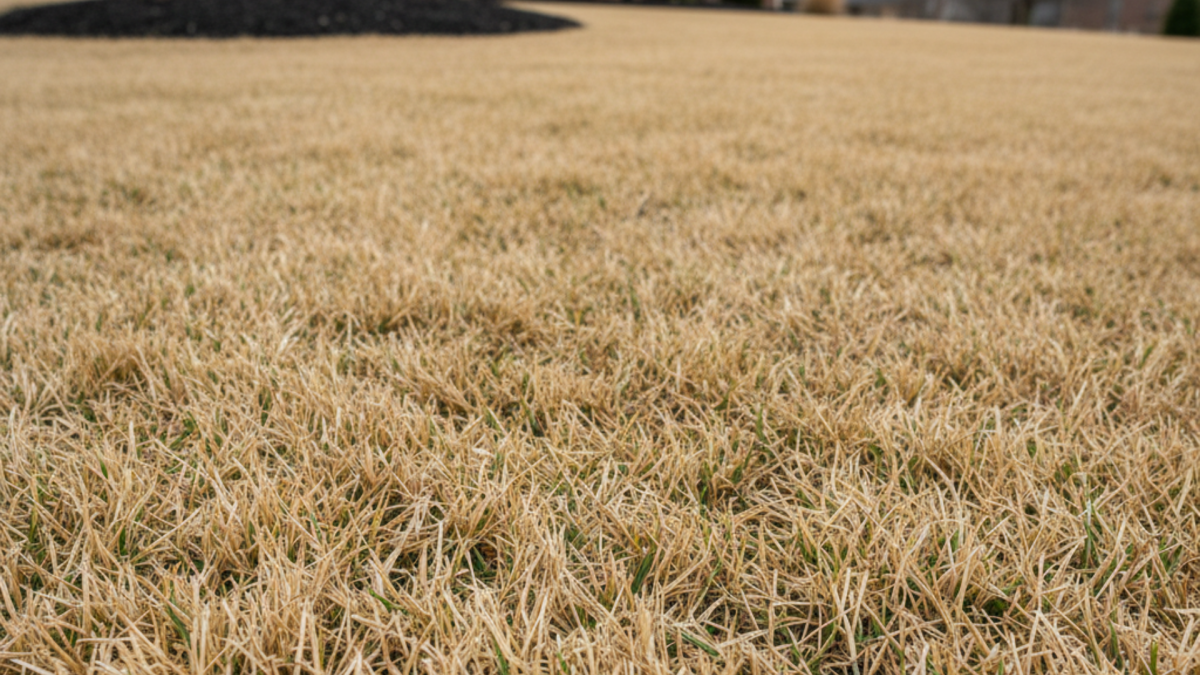
Cool-season grasses throughout Nashville, Brentwood, Franklin, and surrounding communities remain semi-active during Tennessee winters, with root systems quietly developing beneath the surface even when top growth appears dormant. This biological reality creates a narrow but valuable window in late winter when strategic intervention sets the foundation for healthy spring performance. Understanding this window helps property owners make informed decisions about timing, resource allocation, and service scheduling.
Common Misunderstandings About Late Winter Lawn Care
Many homeowners assume lawn care begins when grass starts greening in March, missing opportunities that only exist during the transition period between winter dormancy and active spring growth. Matted leaves left on turf throughout winter trap moisture against grass crowns, creating ideal conditions for fungal diseases that become apparent only after damage occurs. Compacted soil from freeze-thaw cycles and winter foot traffic restricts root penetration during the critical early growth phase, limiting the lawn’s ability to establish depth and resilience before summer stress arrives.
The timing challenge becomes particularly acute with pre-emergent weed control. Crabgrass and other summer annual weeds germinate when soil temperatures reach 55 degrees Fahrenheit for several consecutive days, typically occurring in late February or early March across Middle Tennessee. Once germination begins, prevention becomes impossible and control shifts to more difficult and less effective post-emergent approaches. Property owners who wait until they see spring green-up have already missed the optimal application window.
Scheduling availability represents another frequently underestimated factor. Lawn care providers throughout the Nashville area experience concentrated demand during a brief period in late March and early April when warm weather triggers simultaneous green-up across entire service areas. Companies must balance equipment capacity, crew availability, weather windows, and geographic routing during this compressed timeframe, often requiring weeks to reach new service requests while existing customers receive priority attention.
How Established Services Support Spring Preparation
Goodin Lawncare’s spring cleanup services systematically address the debris accumulation, thatch buildup, and hidden damage that winter weather creates. Thorough removal of matted leaves, broken branches, and organic material allows sunlight to reach grass crowns and eliminates moisture-trapping layers that encourage disease development. The process includes attention to landscape beds, foundation areas, and spaces beneath shrubs where debris concentrates but often escapes notice during casual property walks.
Core aeration and overseeding addresses soil compaction when conditions allow, creating channels for air, water, and nutrient movement while providing opportunities to thicken thin areas with fresh seed. The timing depends on soil workability, moisture content, and upcoming weather patterns. Tennessee’s clay-heavy soils benefit significantly from strategic aeration that allows root systems to penetrate deeper before summer heat and drought stress test turf resilience.
Fertilization and weed control programs incorporate the critical pre-emergent applications that prevent summer annual weed germination. These applications require precise timing based on soil temperature monitoring rather than calendar dates, as warm spells can trigger early germination windows while late cold snaps delay optimal application timing. Light applications of slow-release fertilizer support root development without forcing premature top growth vulnerable to late freezes.
Dormant season pruning takes advantage of bare branch structure to shape trees and shrubs, remove dead or damaged wood, and improve overall plant health before spring growth begins. Late winter pruning prevents disease spread, reduces future maintenance requirements, and allows plants to direct energy toward healthy growth rather than supporting damaged or poorly positioned branches.
Topic-Specific Approach to Seasonal Transitions
The biological reality of semi-dormant cool-season grasses requires calibrated responses rather than one-size-fits-all timing. Fescue, the predominant turf type throughout Middle Tennessee, maintains some root activity throughout winter when temperatures remain above freezing. This continued metabolic activity means the grass responds to soil conditions, moisture availability, and nutrient presence even when visual appearance suggests complete dormancy.
Goodin Lawncare applies this understanding through observation-based timing rather than rigid calendar schedules. Soil temperature monitoring, weather pattern analysis, and property-specific assessment inform service timing recommendations. Properties with southern exposures, slope variations, or microclimates may experience different optimal timing than neighboring properties just blocks away.
The approach prioritizes removing obstacles to healthy growth rather than forcing premature activity. Debris removal, drainage improvement, and compaction relief create conditions where grass can respond naturally to warming temperatures and increasing day length. Strategic nutrient applications support root development without triggering top growth that cold snaps would damage.
Planning Considerations for Middle Tennessee Properties
Property owners throughout the Nashville area face decisions about service timing, scope, and provider selection during late winter when spring seems distant but preparation windows are closing. Professional lawn maintenance services scheduled in February provide priority access before peak season demand fills calendars, allow flexible timing around weather and personal schedules, and ensure critical applications happen within their effective windows rather than as compromise solutions after optimal timing passes.
Soil conditions vary significantly across Middle Tennessee’s geography. Properties in Franklin may experience different drainage challenges than those in Forest Hills. Clay content, slope, existing vegetation, and historical management all influence what specific interventions produce the best results. Assessment-based planning identifies property-specific needs rather than applying generic approaches that may not address actual conditions.
Service Philosophy and Community Connection
Goodin Lawncare’s approach emphasizes education and transparency in helping property owners understand what their landscapes need and why timing matters. Clear communication about optimal service windows, realistic expectations for results, and honest assessment of property conditions builds informed decision-making partnerships rather than transactional service relationships.
The focus remains on long-term property health rather than quick cosmetic fixes that create dependency on intensive inputs or mask underlying problems. Sustainable practices, appropriate product selection, and timing-based interventions support lawns that require less intervention over time as soil health, grass density, and root development improve.
Understanding the Late Winter Advantage
February lawn care Tennessee residents implement provides advantages that extend throughout the growing season. Earlier green-up, improved disease resistance, reduced weed pressure, and deeper root systems all trace back to late winter preparation decisions. Property owners who address debris, compaction, and weed prevention before spring arrives consistently experience fewer problems and better performance than those who begin reactive management after issues become visible.
Goodin Lawncare continues to provide educational resources and professional services that help Middle Tennessee property owners make informed decisions about lawn care timing, scope, and priorities. For property owners ready to move beyond reactive lawn management, information about services and scheduling is available at 629-426-0144. As a trusted service provider in the Nashville area, the company helps homeowners understand how strategic late-winter preparation creates lasting benefits that reactive spring approaches cannot match.


Contact Information:
Goodin Lawncare
508 Napoleon Ave
Nashville, TN 37211
United States
Contact Goodin Lawncare
(629) 426-0144
http://www.goodinlawncare.com


Original Source: https://goodinlawncare.com/media-room/


