Toledo Area Properties Face Repair Costs When Water Management Gets Overlooked During Construction
Toledo, United States – February 18, 2026 / Rock Solid Landscape /
Wauseon, OH – Patios that develop uneven settlement, retaining walls showing signs of pressure damage, and walkways with widening cracks often share a common cause that traces back to decisions made during initial installation. Rock Solid Landscape has published comprehensive guidance on hardscape planning for Ohio properties that addresses how drainage considerations during construction prevent structural problems that emerge years after project completion. The information helps property owners understand why water management planning matters as much as material selection and aesthetic design.
These long-term problems rarely appear immediately after installation. Instead, they develop gradually as water repeatedly follows the same problematic paths, slowly undermining foundations, saturating soil behind retaining structures, and creating freeze-thaw damage cycles that worsen with each season. By the time visible symptoms become apparent, the underlying damage often requires extensive repair work that approaches or exceeds the cost of proper initial installation.
Why Water Creates Progressive Structural Damage
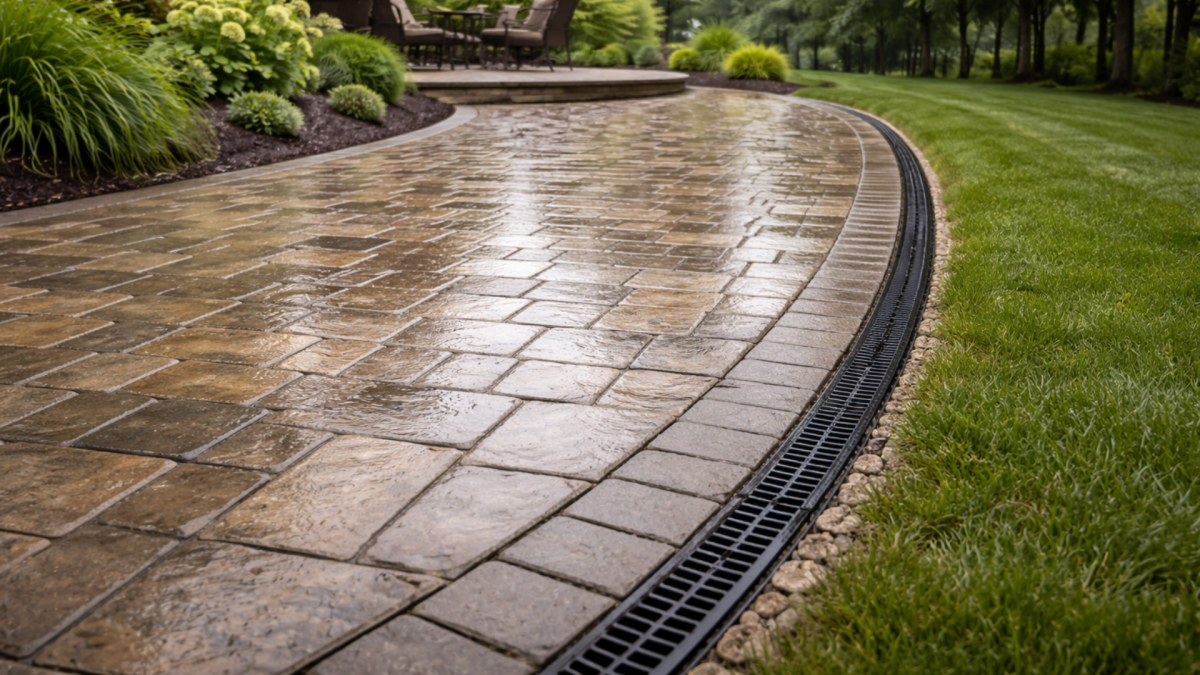
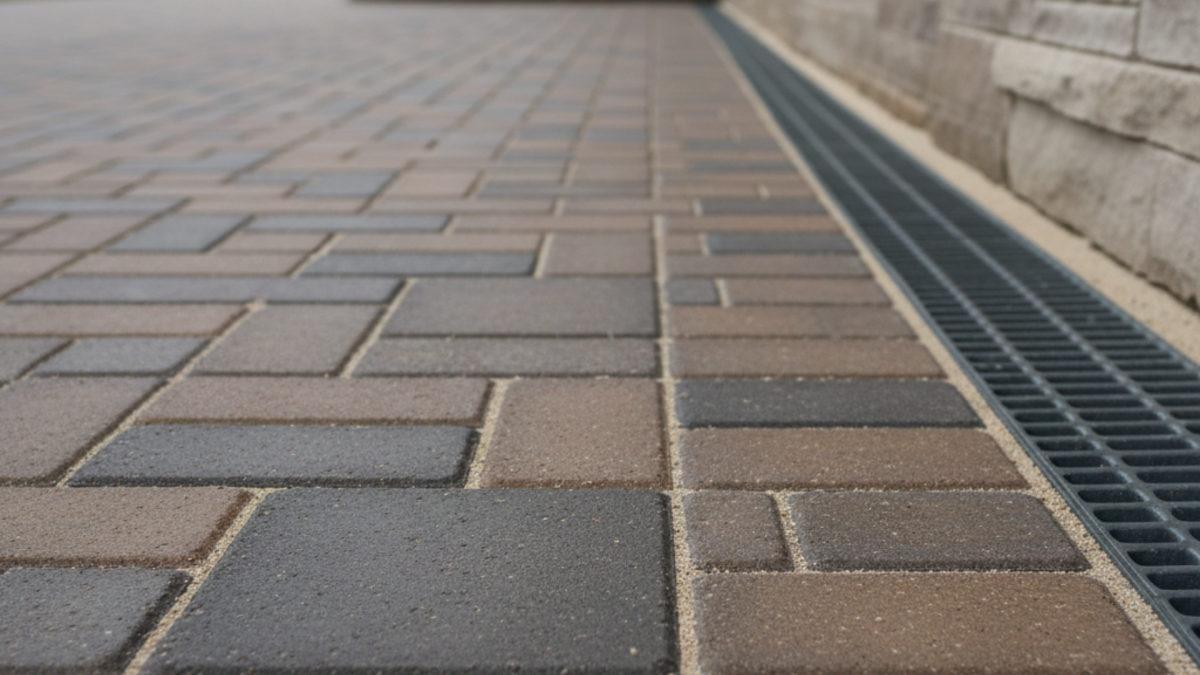
Hardscape installations create impermeable surfaces that concentrate water flow rather than allowing natural absorption across broader areas. A patio might cover several hundred square feet that previously absorbed rainfall gradually through grass and soil. That same rainfall now runs off the paved surface in minutes, creating concentrated flow that seeks the path of least resistance. Without planned channels to direct this water away from structures and foundations, it accumulates in low spots, saturates surrounding soil, and finds its way into areas where it causes damage.
Clay soil conditions common throughout Northwest Ohio compound these water management challenges. Clay drains slowly and expands when saturated, creating pressure against retaining walls and foundations. During winter, this moisture freezes and expands further, pushing against structures with forces that exceed design tolerances. Repeated freeze-thaw cycles gradually shift materials, crack mortar joints, and undermine base layers that were installed assuming stable, well-drained conditions.
Retaining walls face particular vulnerability to water-related damage when drainage planning proves inadequate. These structures hold back significant soil weight that increases substantially when saturated. Water building up behind retaining walls creates hydrostatic pressure that pushes outward with considerable force. Without proper drainage systems behind the wall to relieve this pressure, the structure gradually bows, cracks, or fails completely. The taller the wall, the more critical proper drainage becomes, yet many installations treat drainage as an afterthought rather than an integral structural component.
The interaction between different hardscape elements also affects drainage performance over time. A patio positioned higher than surrounding landscape naturally sheds water downhill. If that water flows toward a retaining wall, outdoor kitchen foundation, or home structure without planned drainage paths, problems develop. Walkways installed without adequate slope trap water in low spots where it accelerates material deterioration. Steps that lack proper drainage channels direct water under treads where it undermines stability and creates dangerous ice patches during winter months.
How Drainage Problems Affect Property Usability and Maintenance
Standing water on patios and walkways creates more than just inconvenience. Prolonged moisture exposure accelerates the growth of algae, moss, and mildew that make surfaces slippery and unsightly. These conditions require aggressive cleaning that can damage paver surfaces and erode joint sand over time. Areas that remain wet also become breeding grounds for mosquitoes during summer months, making outdoor spaces less pleasant to use during peak entertaining season.
Ice formation represents another consequence of poor drainage planning. Water that collects in low spots freezes solid during winter, creating hazardous conditions on walking surfaces. Steps and walkways with drainage problems become particularly dangerous, forcing homeowners to apply excessive amounts of ice melt chemicals that accelerate material deterioration. The cycle of freezing, thawing, chemical application, and moisture retention compounds damage year after year.
Material longevity suffers significantly when drainage proves inadequate. Pavers subjected to repeated saturation and freeze-thaw cycles develop surface spalling where the top layer flakes away, creating rough, deteriorating surfaces. Natural stone shows similar degradation patterns. Mortar joints in stone or brick installations crack and erode more rapidly when consistently wet. These deterioration patterns start subtly but accelerate as damage creates new pathways for water infiltration and worsening conditions.
Settlement issues emerge when water undermines base materials beneath hardscape surfaces. Even properly compacted bases gradually wash away when water flows through them repeatedly. Small depressions develop where base material has eroded, creating uneven surfaces that collect more water and accelerate the damage cycle. Eventually, these settlements become severe enough to require lifting and releveling entire sections, an expensive process that involves demolishing and rebuilding what appeared to be solid, permanent installations.
Landscape plantings near hardscaping also suffer from drainage problems. Areas that receive excessive runoff from improperly drained patios or walkways become waterlogged, drowning plants that weren’t selected for wet conditions. Erosion carries mulch and topsoil away from planting beds, creating maintenance problems and unsightly bare spots. These secondary effects extend drainage problems beyond hardscape areas into surrounding landscape elements.
How Rock Solid Landscape Addresses Water Management Planning
The company’s evaluation process treats drainage as a fundamental structural consideration rather than a secondary detail to address if budget allows. Site assessment includes examining existing drainage patterns, identifying where water naturally flows during heavy rain, and understanding soil conditions that affect absorption and stability. Rock Solid Landscape incorporates these factors into hardscape design from the beginning rather than attempting to retrofit solutions after layouts are finalized.
This approach often means adjusting preliminary designs when original concepts would create drainage problems. A patio positioned in a natural low spot requires either raising the final elevation with proper base preparation or incorporating drainage systems to handle water that naturally collects in that location. Retaining walls need integrated drainage that matches their height and the soil they’re holding. These considerations affect material quantities, labor requirements, and project costs, making them important to address during planning rather than discovering as problems after installation.
Design and rendering services visualize not just aesthetic elements but also functional aspects like slope direction, drainage paths, and how water will move across and around hardscape features. This planning stage identifies potential problems while changes remain inexpensive to implement. The alternative involves discovering drainage problems after completion when corrections require demolition and rebuilding.
Considerations Specific to Toledo Area Properties
Properties throughout the Toledo region face drainage challenges influenced by local soil composition and lot characteristics common in Northwest Ohio. The prevalence of clay soil means water moves slowly through ground, increasing the importance of proper surface drainage and base preparation. Many suburban Toledo area properties have relatively flat topography that provides limited natural drainage slope, requiring more deliberate grading and drainage planning during hardscape installation.
Lot sizes and configurations affect drainage options available for specific properties. Smaller urban lots have limited space for directing water away from structures without impacting neighboring properties. Properties with existing mature trees must work around root systems that affect both drainage planning and excavation approaches. These local factors influence what drainage solutions make sense for individual installations.
Communication About Long-Term Performance
Rock Solid Landscape emphasizes explaining why certain drainage recommendations matter for long-term hardscape performance rather than simply presenting installation options. Property owners benefit from understanding how decisions made during construction affect what they’ll experience five, ten, or fifteen years later. This perspective helps homeowners evaluate whether saving costs by skipping drainage components makes sense given the repair expenses those omissions may create down the road.
The company works with properties across Northwest Ohio communities, encountering the full range of soil conditions, drainage challenges, and lot configurations common throughout the region. This experience informs realistic guidance about what drainage approaches work reliably and what shortcuts create problems in local conditions specific to the area. Homeowners receive recommendations shaped by actual long-term performance rather than theoretical ideals.
Protecting Hardscape Investments Over Time
Hardscape installations represent significant investment in permanent landscape features designed to last decades with proper care. Drainage planning during initial construction determines whether these installations deliver on that expectation or require expensive repairs within just a few years. The difference between hardscapes that perform well long-term and those that develop progressive damage often traces directly to how thoroughly water management was addressed before the first paver was set or the first retaining wall block was placed.
Rock Solid Landscape helps Toledo area property owners plan hardscape projects with drainage integration that protects structural integrity and material longevity. Conversations address site-specific conditions, realistic performance expectations, and how different approaches affect both immediate costs and long-term outcomes. Property owners can reach Rock Solid Landscape at 419-330-1610 to discuss their specific situations and explore how proper drainage planning fits within their hardscape project goals. Taking these considerations seriously during planning prevents the frustration and expense of watching new installations develop problems that proper initial design would have avoided entirely.
Contact Information:
Rock Solid Landscape
5242 Angola Rd #45
Toledo, OH 43615
United States
Contact Rock Solid
https://myrocksolidlandscape.com/

Original Source: https://myrocksolidlandscape.com/media-room-toledo/


